
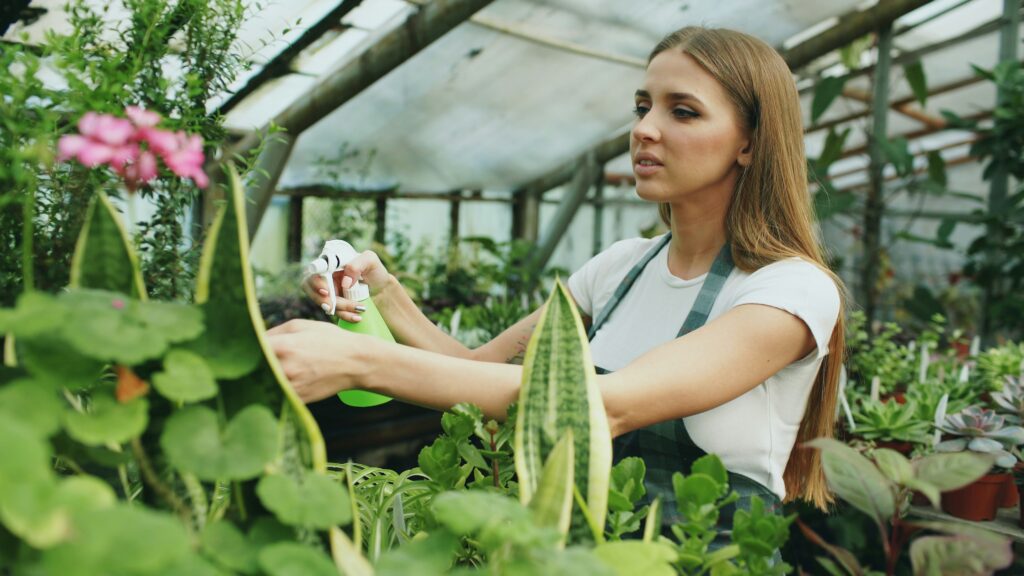
Orlando, Florida, with its warm subtropical climate, intense sunshine, high humidity, and seasonal storms, presents both opportunities and challenges for greenhouse gardening. A well-designed greenhouse can extend your growing season, protect plants from pests and unpredictable weather, and allow year-round cultivation of vegetables, ornamentals, and exotic species—especially when paired with Orlando Pest Control to help manage insects and rodents common in Central Florida. However, Florida conditions also demand thoughtful planning for heat control, humidity management, and storm resilience. By combining smart design, durable materials, regular maintenance, and support from Orlando Pest Control, you can build a greenhouse that truly thrives in Orlando’s environment.
Why Build a Greenhouse in Orlando
Florida’s long growing season and abundant sunlight are ideal for many plants, but the state’s intense heat, high humidity, and frequent rainstorms can make outdoor gardening difficult during summer months. A greenhouse allows you to:
- Extend the growing season beyond traditional outdoor planting times.
- Grow crops out of season—lettuce in summer, tomatoes in cooler months, or tropical ornamentals year-round.
- Control pests and soil conditions more effectively than in open beds.
- Experiment with diverse plant varieties, from herbs and greens to orchids and citrus seedlings.
But this comes with a need to manage heat stress, humidity, and storm exposure through proper design and upkeep.
Designing for Central Florida’s Climate
Site Selection and Orientation
Choose your greenhouse location carefully:
- Avoid low spots that collect water—standing water increases disease pressure and complicates ventilation.
- Place the structure where it can capture prevailing breezes; cross-ventilation is essential in hot weather.
- Orient the long axis east-west to distribute sunlight more evenly and reduce the intense heat from the afternoon sun.
By matching orientation to sun and wind patterns, you can harness passive airflow and minimize the need for mechanical systems.
Structural Materials and Frame Choices
Because Florida has high UV exposure and high humidity, your material choices impact longevity and maintenance.
- Frame:
- Aluminum – lightweight, corrosion-resistant, and low-maintenance.
- Galvanized steel – strong and durable, though heavier.
- Pressure-treated wood – can be used, but wood may rot over time in humid conditions. If used, treat with non-toxic preservatives.
- Glazing:
- Twin-wall polycarbonate panels are ideal—they diffuse light, resist UV degradation, insulate better than single films, and help reduce heat spikes.
- Single-layer polyethylene film is cheaper but deteriorates quickly under intense sun.
- Anchoring and Foundation:
- Use concrete piers or a slab foundation with embedded anchors to resist wind uplift and flooding.
- For hurricane resilience, secure frames with hurricane straps, tie-downs, and heavy-duty hardware.
Managing Heat, Light, and Humidity
Ventilation and Cooling
Orlando’s heat makes ventilation more critical than heating:
- Passive ventilation through ridge vents, louvered side vents, and adjustable roll-up walls encourages airflow without heavy energy use.
- Fans can supplement airflow on still, hot days.
- Evaporative cooling (pad-and-fan systems) can lower temperatures but also increases humidity—pair with good circulation and shade to avoid fungal issues.
Shade Cloth and Light Control
Given Florida’s intense sunlight, shade cloth is essential:
- Install 50–70% shade cloth in summer to reduce heat and UV.
- Use retractable shade systems for seasonal adjustment.
- Shade not only cools but diffuses light to improve plant growth and prevent leaf burn.
Humidity Management
High humidity in Florida is both a blessing and a curse. While plants need moisture, excess humidity encourages fungal disease.
- Aim for balanced humidity levels with good air circulation and strategic ventilation.
- Consider horizontal airflow fans (HAF) to prevent stagnant pockets.
- In high-value operations, dehumidifiers or conditional cooling systems may be justified.
Irrigation: Efficient and Automated
To avoid over-watering and humidity spikes:
- Use drip irrigation with pressure-compensating emitters, which deliver water at plant roots without generating excess moisture in the air.
- Add moisture sensors or tensiometers to control watering based on actual soil conditions.
Rainwater harvesting from greenhouse gutters into barrels or tanks can supplement irrigation while reducing utility costs, though mosquito-proof screens are necessary.
Pest and Disease Control
Florida’s climate fosters a wide range of pests and pathogens. Greenhouse design and maintenance must include pest management strategies:
- Insect exclusion screens (30–50 mesh) on vents and doors help keep out whiteflies, thrips, and aphids.
- Air-lock entryways reduce pest ingress and stabilize airflow.
- Sanitation – Clean benches, remove dead plant material, and disinfect tools weekly to break pest and disease cycles.
- Integrated Pest Management (IPM) – Combine cultural, biological, and targeted chemical methods only when needed.
Maintenance Schedules: Weekly to Seasonal
Regular maintenance prevents small issues from becoming big problems:
Weekly Checks
- Inspect vents, shade cloth, and roll-up walls for free movement.
- Walk greenhouse aisles for early signs of pests or disease.
- Check irrigation lines and filters.
Monthly Tasks
- Clean gutters and screens.
- Inspect structural fasteners and seals.
- Test thermostats and timers.
Seasonal Preparations
- Before hurricane season (June–November):
- Secure or store shade cloth, reinforce anchoring, stow loose equipment.
- Remove or secure light panels that can become projectiles.
- After storms:
- Check for damage, standing water, and sanitize flooded areas.
Growing Inside Your Greenhouse in Orlando
Greenhouses in Orlando enable diverse plantings:
- Cool-season crops (lettuce, spinach) thrive in fall–spring.
- Heat-tolerant vegetables (okra, peppers) can withstand summer with shade.
- Tropicals and ornamentals benefit from year-round protection with controlled humidity and shade.
Group plants with similar water and light needs to simplify irrigation and shading strategies.
Building and maintaining a greenhouse in Orlando, Florida is absolutely achievable with thoughtful planning and ongoing care. The keys to success are:
- Designing for heat, humidity, and storms.
- Using durable, low-maintenance materials.
- Managing climate through passive and active systems.
- Regular maintenance and pest control.
With these strategies, you can cultivate healthy plants year-round—turning Orlando’s challenging climate into a productive environment for your greenhouse crop dreams.