Category: My Blog

How to Build and Maintain a Greenhouse in Orlando, Florida

Orlando, Florida, with its warm subtropical climate, intense sunshine, high humidity, and seasonal storms, presents both opportunities and challenges for greenhouse gardening. A well-designed greenhouse can extend your growing season, protect plants from pests and unpredictable weather, and allow year-round cultivation of vegetables, ornamentals, and exotic species—especially when paired with Orlando Pest Control to help manage insects and rodents common in Central Florida. However, Florida conditions also demand thoughtful planning for heat control, humidity management, and storm resilience. By combining smart design, durable materials, regular maintenance, and support from Orlando Pest Control, you can build a greenhouse that truly thrives in Orlando’s environment.

Why Build a Greenhouse in Orlando

Florida’s long growing season and abundant sunlight are ideal for many plants, but the state’s intense heat, high humidity, and frequent rainstorms can make outdoor gardening difficult during summer months. A greenhouse allows you to:

  • Extend the growing season beyond traditional outdoor planting times.
  • Grow crops out of season—lettuce in summer, tomatoes in cooler months, or tropical ornamentals year-round.
  • Control pests and soil conditions more effectively than in open beds.
  • Experiment with diverse plant varieties, from herbs and greens to orchids and citrus seedlings.

But this comes with a need to manage heat stress, humidity, and storm exposure through proper design and upkeep.

Designing for Central Florida’s Climate

Site Selection and Orientation

Choose your greenhouse location carefully:

  • Avoid low spots that collect water—standing water increases disease pressure and complicates ventilation.
  • Place the structure where it can capture prevailing breezes; cross-ventilation is essential in hot weather.
  • Orient the long axis east-west to distribute sunlight more evenly and reduce the intense heat from the afternoon sun.

By matching orientation to sun and wind patterns, you can harness passive airflow and minimize the need for mechanical systems.

Structural Materials and Frame Choices

Because Florida has high UV exposure and high humidity, your material choices impact longevity and maintenance.

  • Frame:
    • Aluminum – lightweight, corrosion-resistant, and low-maintenance.
    • Galvanized steel – strong and durable, though heavier.
    • Pressure-treated wood – can be used, but wood may rot over time in humid conditions. If used, treat with non-toxic preservatives.
  • Glazing:
    • Twin-wall polycarbonate panels are ideal—they diffuse light, resist UV degradation, insulate better than single films, and help reduce heat spikes.
    • Single-layer polyethylene film is cheaper but deteriorates quickly under intense sun.
  • Anchoring and Foundation:
    • Use concrete piers or a slab foundation with embedded anchors to resist wind uplift and flooding.
    • For hurricane resilience, secure frames with hurricane straps, tie-downs, and heavy-duty hardware.

Managing Heat, Light, and Humidity

Ventilation and Cooling

Orlando’s heat makes ventilation more critical than heating:

  • Passive ventilation through ridge vents, louvered side vents, and adjustable roll-up walls encourages airflow without heavy energy use.
  • Fans can supplement airflow on still, hot days.
  • Evaporative cooling (pad-and-fan systems) can lower temperatures but also increases humidity—pair with good circulation and shade to avoid fungal issues.

Shade Cloth and Light Control

Given Florida’s intense sunlight, shade cloth is essential:

  • Install 50–70% shade cloth in summer to reduce heat and UV.
  • Use retractable shade systems for seasonal adjustment.
  • Shade not only cools but diffuses light to improve plant growth and prevent leaf burn.

Humidity Management

High humidity in Florida is both a blessing and a curse. While plants need moisture, excess humidity encourages fungal disease.

  • Aim for balanced humidity levels with good air circulation and strategic ventilation.
  • Consider horizontal airflow fans (HAF) to prevent stagnant pockets.
  • In high-value operations, dehumidifiers or conditional cooling systems may be justified.

Irrigation: Efficient and Automated

To avoid over-watering and humidity spikes:

  • Use drip irrigation with pressure-compensating emitters, which deliver water at plant roots without generating excess moisture in the air.
  • Add moisture sensors or tensiometers to control watering based on actual soil conditions.

Rainwater harvesting from greenhouse gutters into barrels or tanks can supplement irrigation while reducing utility costs, though mosquito-proof screens are necessary.

Pest and Disease Control

Florida’s climate fosters a wide range of pests and pathogens. Greenhouse design and maintenance must include pest management strategies:

  • Insect exclusion screens (30–50 mesh) on vents and doors help keep out whiteflies, thrips, and aphids.
  • Air-lock entryways reduce pest ingress and stabilize airflow.
  • Sanitation – Clean benches, remove dead plant material, and disinfect tools weekly to break pest and disease cycles.
  • Integrated Pest Management (IPM) – Combine cultural, biological, and targeted chemical methods only when needed.

Maintenance Schedules: Weekly to Seasonal

Regular maintenance prevents small issues from becoming big problems:

Weekly Checks

  • Inspect vents, shade cloth, and roll-up walls for free movement.
  • Walk greenhouse aisles for early signs of pests or disease.
  • Check irrigation lines and filters.

Monthly Tasks

  • Clean gutters and screens.
  • Inspect structural fasteners and seals.
  • Test thermostats and timers.

Seasonal Preparations

  • Before hurricane season (June–November):
    • Secure or store shade cloth, reinforce anchoring, stow loose equipment.
    • Remove or secure light panels that can become projectiles.
  • After storms:
    • Check for damage, standing water, and sanitize flooded areas.

Growing Inside Your Greenhouse in Orlando

Greenhouses in Orlando enable diverse plantings:

  • Cool-season crops (lettuce, spinach) thrive in fall–spring.
  • Heat-tolerant vegetables (okra, peppers) can withstand summer with shade.
  • Tropicals and ornamentals benefit from year-round protection with controlled humidity and shade.

Group plants with similar water and light needs to simplify irrigation and shading strategies.

Building and maintaining a greenhouse in Orlando, Florida is absolutely achievable with thoughtful planning and ongoing care. The keys to success are:

  • Designing for heat, humidity, and storms.
  • Using durable, low-maintenance materials.
  • Managing climate through passive and active systems.
  • Regular maintenance and pest control.

With these strategies, you can cultivate healthy plants year-round—turning Orlando’s challenging climate into a productive environment for your greenhouse crop dreams.
Top 10 Plant Nurseries in Orlando, FL

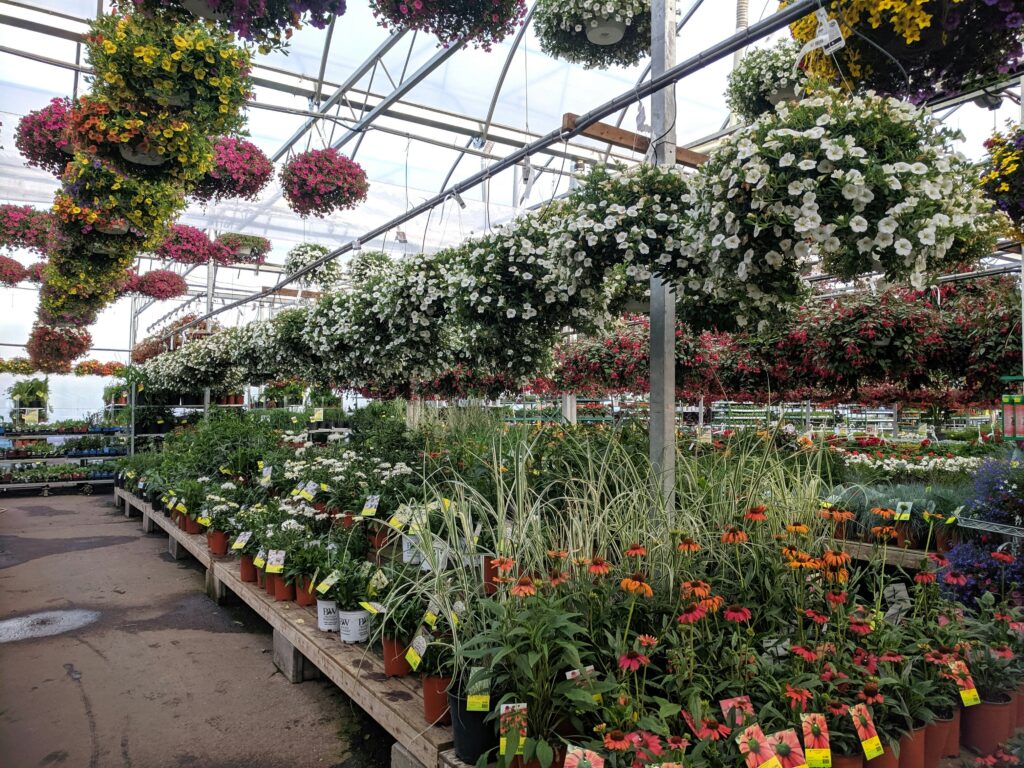
Orlando’s warm climate, sandy soil, and long growing season make it a paradise for plant lovers. Whether you’re refreshing a backyard, planting shade trees, or designing a full landscape, Central Florida offers a wide range of nurseries and plant-focused businesses to help bring your vision to life. From traditional garden centers to tree farms and landscape suppliers, these are ten standout plant nurseries and green industry businesses in the Orlando area worth knowing about.

1. Lakeshore Tree Farm Inc

Lakeshore Tree Farm Inc is a long-established tree nursery specializing in large, mature trees suitable for Central Florida landscapes. Rather than focusing on small potted plants, this tree farm is known for growing shade trees, ornamental trees, and palms that can make an immediate impact in residential and commercial properties.

Homeowners and landscapers often turn to Lakeshore Tree Farm when they need live oaks, magnolias, crepe myrtles, or flowering trees that are already well-established. This makes it an excellent option for new construction projects or anyone wanting instant curb appeal without waiting years for trees to grow.

2. Green Thumb Interior Plant Service Inc

Green Thumb Interior Plant Service Inc focuses on indoor plants and interior landscaping, making it a unique addition to Orlando’s nursery scene. While not a traditional outdoor plant nursery, their expertise lies in selecting and maintaining plants that thrive indoors.

This business is popular with offices, medical facilities, and commercial spaces, but homeowners can also benefit from their knowledge when choosing houseplants that improve air quality and aesthetics. If you’re interested in tropical indoor plants, decorative planters, or professional plant care, Green Thumb offers a different but valuable approach to greenery.

3. Palm Gardens Nursery

Palm Gardens Nursery is a locally known plant nursery offering a selection of palms, shrubs, trees, and ornamental plants commonly used in Florida landscapes. As the name suggests, palms are a major highlight, making this a great stop for anyone looking to add a true Florida feel to their yard.

Many visitors appreciate Palm Gardens for its traditional nursery atmosphere and its focus on plants that perform well in Central Florida’s climate. It’s a practical choice for homeowners who want reliable landscape plants without the big-box store experience.

4. Green Jungle Nursery

Green Jungle Nursery has long been recognized by locals as a place to find a wide variety of garden plants, including annuals, perennials, and landscape favorites. Over the years, it has served both casual gardeners and those tackling larger planting projects.

While availability and operations may change over time, Green Jungle Nursery remains part of Orlando’s gardening history and is often remembered for its diverse plant selection and approachable layout. It’s worth checking locally to see what’s currently offered.

5. Apenberry’s Garden

Apenberry’s Garden is one of Orlando’s most beloved garden centers, known for its healthy plants, knowledgeable staff, and charming atmosphere. Shoppers can find a mix of flowering plants, shrubs, houseplants, herbs, and garden accessories.

Beyond plants, Apenberry’s is appreciated for its personalized service. Staff members are often praised for offering advice on plant care, seasonal planting, and landscaping ideas specific to Central Florida. It’s an ideal stop for gardeners who enjoy browsing, learning, and finding inspiration along with their plants.

6. Triple J Tree Service and Installations

Triple J Tree Service and Installations isn’t a traditional nursery, but it plays an important role in Orlando’s plant and landscape ecosystem. This business focuses on tree services, planting, installations, and landscape support, helping homeowners properly install and maintain their greenery.

For larger trees and complex landscape projects, professional installation can make all the difference. Triple J provides the expertise needed to ensure trees are planted correctly, supported during establishment, and maintained over time.

7. Royal Mulch Nursery Inc

Royal Mulch Nursery Inc is a landscape supply destination serving homeowners, contractors, and landscapers throughout the Orlando area. This nursery is known for its wide selection of plants, trees, mulch, soil, and landscape materials.

In addition to plants, Royal Mulch offers bulk supplies that are essential for full landscape projects, such as decorative rock, soil blends, and mulch varieties. It’s a great one-stop shop for anyone planning a major yard upgrade or outdoor renovation.

8. Kowaguchi Bobcat Services

Kowaguchi Bobcat Services supports large-scale landscaping and planting projects by providing site preparation and equipment services. While it doesn’t sell plants directly, its role is essential for gardens and landscapes that require grading, land clearing, or soil preparation.

For projects involving tree planting, garden beds, or hardscaping, proper ground preparation can significantly impact plant health and longevity. Businesses like Kowaguchi Bobcat Services help create the foundation needed for successful planting.

9. Casadia

Casadia is a lesser-known name in the Orlando plant and landscape scene, but it represents the kind of specialty or boutique plant business that often serves niche needs. Whether focused on landscaping, garden design, or curated plant offerings, businesses like Casadia add diversity to the local nursery landscape.

These smaller operations often appeal to gardeners seeking something unique or personalized, and they can sometimes be found through local recommendations or community connections rather than large advertising platforms.

10. Pat Jorgensen Nurseries

Pat Jorgensen Nurseries is a well-established grower known for producing landscape plants and ornamental nursery stock. Often serving landscapers and contractors, this nursery focuses on plants that perform well in Florida’s environment.

Homeowners looking for high-quality shrubs or trees for hedges, privacy screens, or landscape borders may find this nursery particularly useful. Its long history in the region reflects a strong understanding of Central Florida growing conditions.

Tips for Choosing the Right Orlando Nursery

  • Focus on Florida-friendly plants: Heat-tolerant and native species often require less water and maintenance.
  • Ask about installation: Large trees and palms benefit from professional planting.
  • Check plant health: Look for strong root systems, healthy leaves, and no signs of pests or disease.
  • Plan for soil needs: Many Orlando yards benefit from soil amendments to improve drainage and nutrients.

Final Thoughts

Orlando’s plant nurseries and green industry businesses offer something for every type of gardener — from casual plant lovers to those planning full landscape transformations. Whether you’re shopping for palms, shade trees, indoor plants, or bulk landscape materials, these ten businesses highlight the variety and expertise available throughout Central Florida.

Experience Leu Gardens in Florida

When you think of going to Orlando in Florida for a holiday, you will probably think of all the well known venues that are there to visit. For instance Disney World and Universal Studios will probably be high on your list of places to go.

Don’t restrict yourself to the obvious locations to visit. Make sure you also visit some of the lesser known ones, such as Leu Gardens for example.

Your first reaction will probably be, “What are the Leu Gardens? I’ve never even heard of them.” This is common – not many people outside Orlando in Florida know what these gardens are, and they may not even be remotely familiar to them.

In actual fact Leu Gardens is a wonderful place to see because it is just about as far away as you could get from the traditional theme parks that are dotted all over Orlando. There are 50 acres to explore once you get here, so the best bet is to pack up a picnic, get yourself some supplies for the day and prepare to enjoy as much of the gardens as you possibly can.

We have a man called Harry Leu to thank for the gardens that now bear his name. He was an amateur botanist and he had a passion for camellias among other things. You can see plenty of evidence of this throughout the gardens, since there are thousands of them in situ all over the place.

Mr Leu and his wife originally bought the land on which the gardens stand back in the ’30s. They also bought a house here and you can see it when you visit the gardens. Their love of plants extended to bringing lots of different ones back from all corners of the world. These included the famous camellias.

Eventually they decided to give the house and the grounds over to Orlando itself. They would no doubt be proud of how the gardens have been continued on and kept in pristine condition ever since.

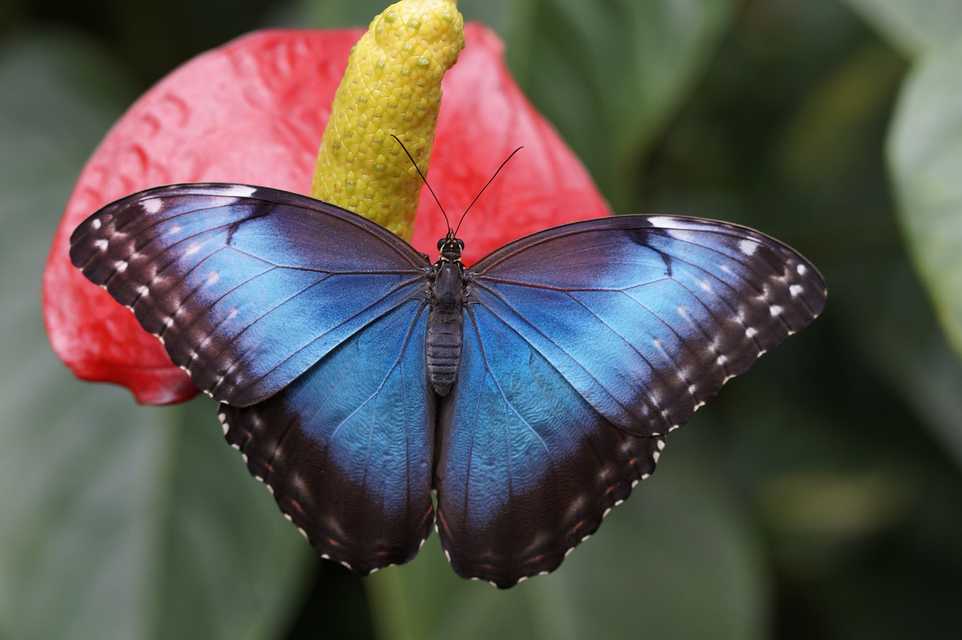
One of the most delightful areas of the gardens is the Butterfly Garden. As the name would suggest this is the best opportunity you have to see plenty of butterflies enjoying the surroundings that have been put together especially for them. The good news is that this particular area has been put together to ensure you can see butterflies no matter what time of the year you happen to visit Orlando. This is just one of the delights you will see when visiting the Leu Gardens during your time in Orlando.

Butterfly Nursery, Orlando FL

How Our Fascination with Butterflies Started

Chuck and I have been married for 34 years and spend a lot of our time walking in the great parks and nature areas here in Central Florida. Our lives changed when I saw a butterfly laid an egg on a plant. I decided to bring the egg home and try to nurture it to adulthood by setting up a Butterfly Nursery inside the house. I have introduced Gulf Fritillary and Viceroy Butterflies into our yard where there weren’t any before. I have been doing this for two years, now. The nature trail where we found the butterfly egg that started it all, we call it Butterfly Lane.

The Nursery

My butterfly nursery has three “rooms”: the kindergarten, where I keep butterfly eggs and the very, very small, newly hatched caterpillars, the second area, the playground, is where I keep the larger ‘pillars until they become chrysalises, and the last area, the morphing station, is where I keep all the chrysalises until they hatch.

The Kindergarten

I keep the eggs I find in small plastic container. When I find an egg to bring home, I get either the whole sucker shoot that the egg is on or a cutting with at least six other leaves on it. The suckers will stay fresher longer and often will root. The cuttings stay fresher than just one leaf, and the cuttings will sometimes root, also. I keep the water for the plants fresh and I use small, tall bottles to minimize the area where the little ‘pillars might fall into the water. The best containers are the water tubes that florists use to keep single flowers fresh because the cap on the tube fits closely around the stem. The only problem with the tubes is that they work well for the cuttings but the sucker plants are usually too big for them. I don’t put the little ones in with the bigger caterpillars because the big ones will eat across a leaf and a piece of the leaf might fall to the bottom of the container. If a little one fell, I might not rescue it in time. I have even had larger caterpillars chew through the leaf they’re on and fall, thump, to the bottom of the container. So, after my little ‘pillars have molted several times, then I move them over to the area where I keep the big boys. Eggs and ‘pillars are your starting point. We have harvested Gulf Fritillary and Viceroy Eggs and caterpillars from our walks on the nature trail. My success rate for Gulf Fritillaries this season is almost 100%. The success rate in the wild is only about 40%. We release adult butterflies back where we initially harvested the eggs and into our yard. I found a place where I can get FREE Monarch and Viceroy Eggs. I plan to buy Zebra Longwing eggs next season. The host plant for both the Gulf Fritillary and Zebra Butterflies is the passion vine. The Gulf Fritillaries like the vine to be in the sun, but the Zebras prefer the vine growing in the shade. We already have the passion vine established in our yard; we just need to plant some cuttings in a shady area. There is place where you can get free butterfly eggs at a butterfly farm near Gainesville. (GO GATORS!)

The Playground

The playground area consists of two plastic containers, a smaller one inside a larger one. The smaller container is where I keep the caterpillars, their food and the jungle gym. The top picture is the jungle gym before I removed all the seed pods and trimmed up the branches. The lower picture is of the inner container with leaves to eat and the jungle gym to climb on. One ‘pillar decided to “chrysalize” on the container rather than on the branches provided. The sucker plants or cuttings are in tall jars or bottles with small mouths to minimize the risk of drowning. I change the water every day or so and I change the plants when they start to wilt or when the ‘pillars munch them down to skeletons. The smaller container is lined with paper towels to make cleanup easier. I clean out the frass (caterpillar poop) every other day and make sure the leaves touch the jungle gym, where the ‘pillars can climb and make their chrysalises. The larger container acts as a barrier of sorts to keep the ‘pillars confined. Occasionally, a caterpillar will try to escape or make its chrysalis on the container itself, rather than on the branch provided. My nursery is not enclosed so we can watch all the miraculous changes the eggs and caterpillars go through to become butterflies. Below are a couple of ‘pillar that went off the reservation: One made its chrysalis on the edge of a piece of paper taped to end of the book case and the other, on the wall behind the desk. As I wrote this, two large Viceroy caterpillars were in a face off that lasted 15 minutes. Neither one would give up its position on the willow leaf they were on. Later, they decided to make their chrysalises on separate stems. When the leaves get dry, I can actually hear the caterpillars chewing!

Top Tips For Landscape Installation in Orlando

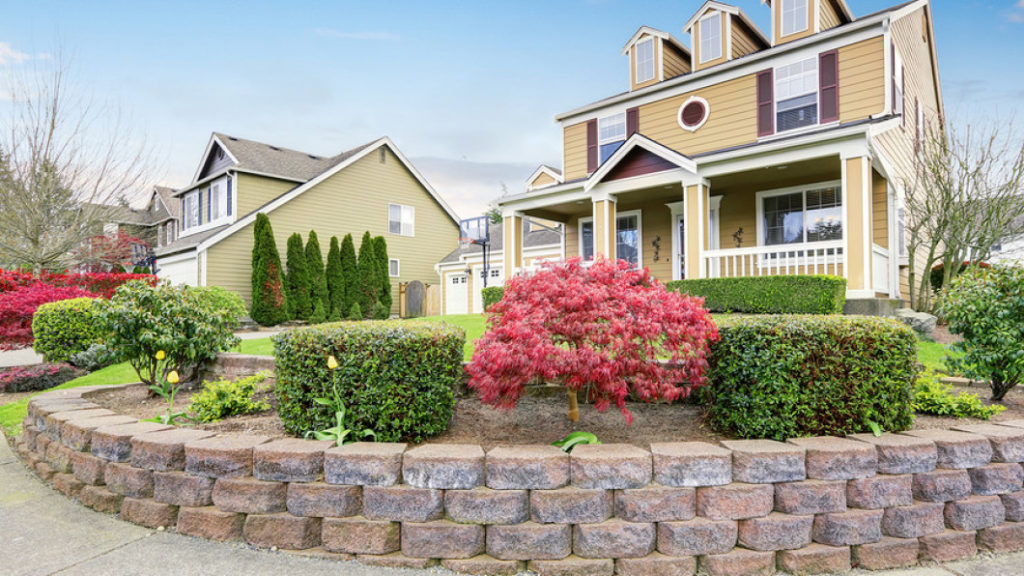
A perk of living in Orlando is the ability to grow fantastic, lush, tropical-looking plants and flowers year-round. For a fun and functional landscape installation in Orlando, follow these top ten tips.

1) Get help: Do it yourself projects can be fun or disastrous. While installing a landscape seems like it might be fun and easy, it is even more fun to have a team of landscape installation professionals do it for you, so you can enjoy your garden.

2) Research your plant selections: (Or make sure that your landscape installation contractor does research) For the most beautiful, year-round landscape in Orlando, you will want to select a variety of plants that bloom throughout the year. Additionally, not everything that grows in Orlando is evergreen, so you will want to choose some plants that are evergreen for foundation plantings.

3) Secure proper landscape installation permits: This is another area where are qualified landscape installation professional in Orlando can help. Planting a few flowers does not require a permit. Digging a well and installing a complete irrigation system does require permits.

4) Think about watering: Central Florida is rainy in the summer and dry in the winter-usually. However, Florida has been experiencing a drought over the last few years. In order to maintain a beautiful yard in Florida, you will need to water it. If you do not have an irrigation system, and you are planning a major landscape renovation, you will need to think about installing one. It is better to do this before you plant everything! If you do not wish to install an irrigation system, select plants that, once established, need little water.

5) Prepare a Landscape Design: Plan before you plant is a good mantra for landscape installation. You do not need to be a landscape architect to design a pretty foundation planting and flower beds. There are many internet resources, books and magazines available to help you. Planning ahead will help you control your spending at the nursery, and be realistic about the number of plants you need. (You will often need more plants than you thought!)

6) Plant for the Future: With its warm temperatures and rainy summers, Orlando is a great place for plants to grow-fast. When you install your landscape, be certain to give your plants room to grow. It might look like you have a lot of bare space for the first month or so, but sooner than you would expect, your landscape will be lush and beautiful.

7) Safety first: Whether you are installing a commercial or residential landscape in Florida, consider safety a number one priority. A certified landscape contractor should know the ins and outs of safety codes. Additionally, if you are installing your landscape yourself, you can read about types of paving to use or not use, and types of plants that are better than others. For example, if you have children, you will want to avoid planting oleander. While oleander is a beautiful flowering shrub, it is better for large-scale installations at places like airports or shopping malls. It is highly poisonous, and you would not want to risk your child deciding to eat it! (Children eat everything!) Doing a little bit of research before your landscape installation in Orlando will go a long way toward helping you create a beautiful, functional and fun landscape.